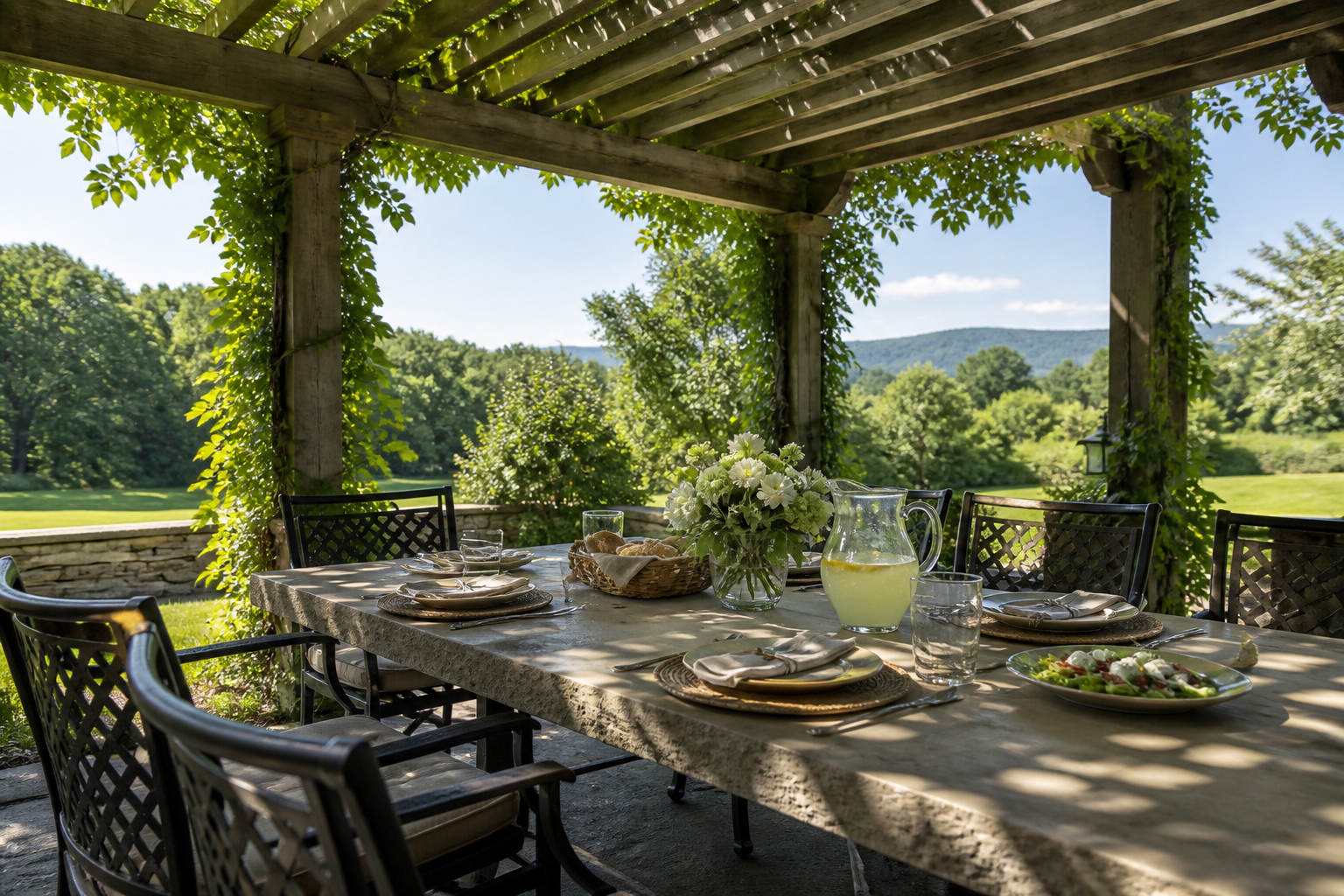
Pergolas & Shade Structures
Shade that lets you enjoy the heat
Afternoon into dinner under cover. Room for lights, a fan, and people who linger when the sun is high.
Overview
How the space gets used
If you’ve been picturing a patio you can enjoy through the summer heat, a pergola is often how we get there. Dappled shade, something to hang lights and a fan from, and a shape that ties kitchen, fire, and seating into one space.
We design open-beam pergolas, modern flat-top structures, attached roof tie-ins, and louvered roofs when you want adjustable shade and a little rain cover. Cedar and stained wood bring warmth. Aluminum and steel cut the maintenance. Composite wraps split the difference on a harsh exposure.
Freestanding pergolas need footings and hardware that can take wind. Attached systems need the ledger and flashing done right so you don’t trap moisture against the house.
We plan for how you’ll use it: fans, infrared heat, string-light raceways, outlets, curtain tracks. Those have weight and wiring. Better built in than bolted on later.
What we pay attention to
- Footings and structure sized for wind.
- Scale and proportion that fit the house.
- Lighting and fan wiring run during construction.
How we work
From the first walk to the last
You’ll always know what happens next. We walk the property, make a plan, then build it.
- 01
How you’ll use it
How you walk through, height clearance, how much shade you want, and how it meets the kitchen, fire, and seats.
- 02
Structure and anchoring
Footings, attachment points, and hardware that match the exposure.
- 03
Finish and wiring
Stain or low-maintenance cladding, and conduit for lights and fans while the posts are open.
Gallery
A few pergolas yards
Open a photo to see it larger.
FAQ
Questions we hear a lot
Plain answers, so you can plan without guessing.
Wood vs. low-maintenance columns and beams? +
Wood is warm and you can refinish it. Composite or aluminum means less upkeep. We’ll match the material to budget, exposure, and the look you want.
What is a louvered pergola—and do I need one? +
Louvered roofs have adjustable blades for shade, breeze, and a little rain. Open-beam pergolas are simpler, with dappled shade, vines, or shade cloth if you want it. You don’t need louvers unless you want the patio to behave more like a pavilion.
Attached vs. freestanding—which is better for my patio? +
Attached pergolas can tuck under the eaves with fewer posts in the way, but flashing and structure have to meet the house cleanly. Freestanding ones make a destination away from the house, and they help when the roofline makes attaching a headache.
Can you prep wiring for fans, heaters, or speakers? +
Yes. We stub conduit, oversize posts where we need to, and put mounting points in so fixtures go on without a mess of cords. Easier during the build than after the stain is done.
Related
These often go together
We usually plan pergolas with these, so drainage, utilities, and layout don’t fight each other later.
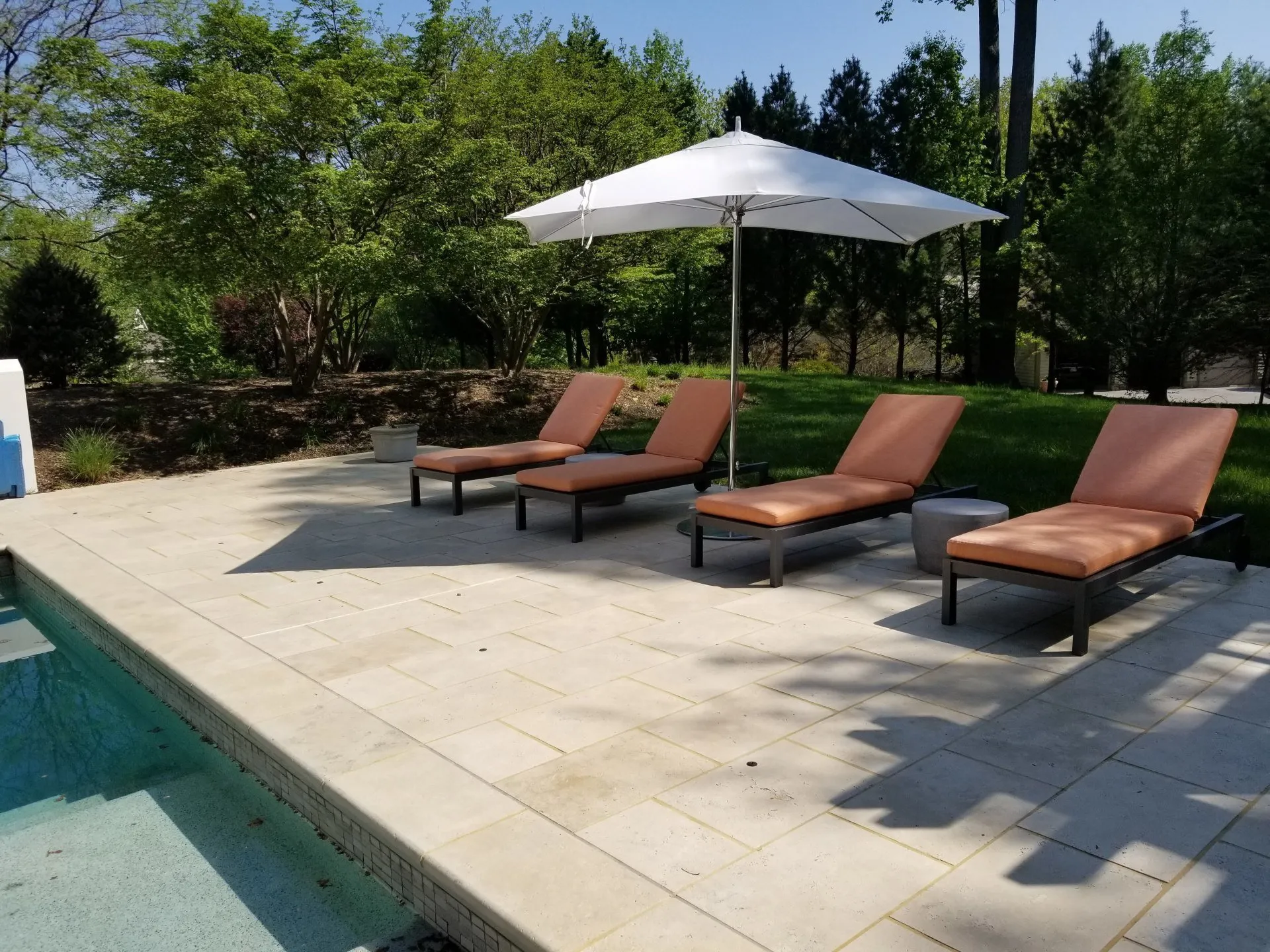
Hardscapes
Patios sized for the table, the chairs, and the people you keep inviting back. Custom hardscape in York County, PA.
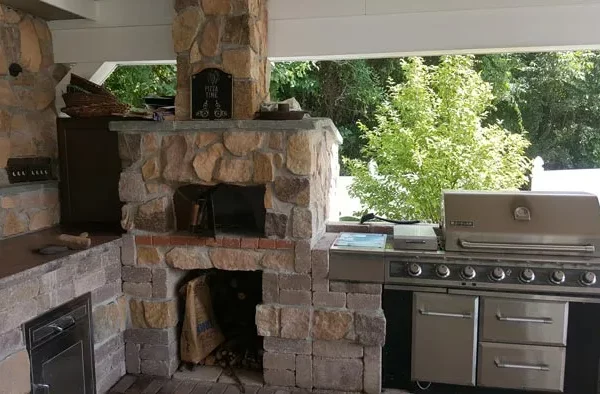
Outdoor Kitchens
Cook outside and stay at the table. Outdoor kitchens built for how you host.
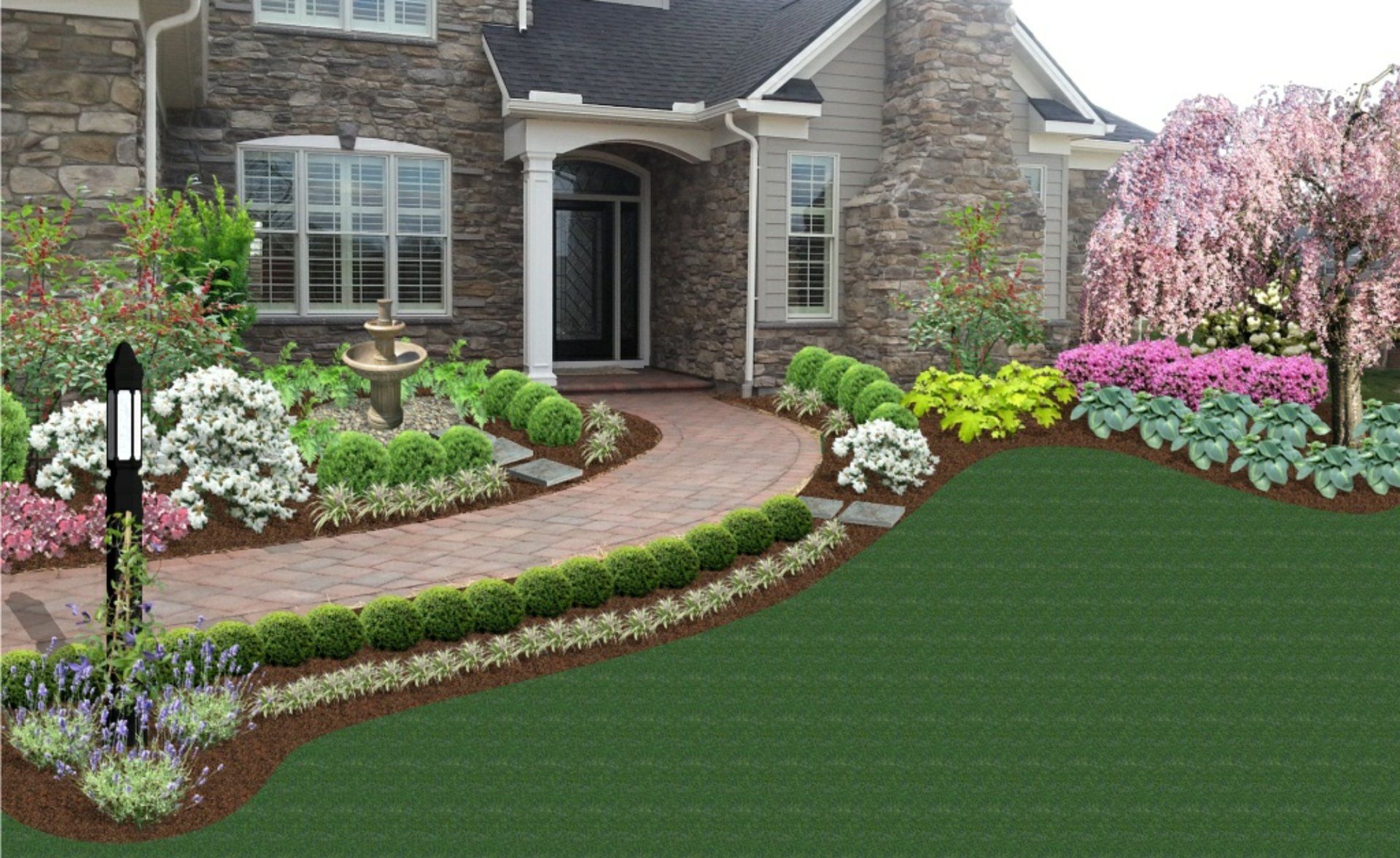
Landscape Design
See how you’ll use the yard before we break ground. Plans and overlays that fit how you sit, move, and have people over.
Let’s talk about shade
Tell us about shade, dining, and how the structure fits the rest of the yard. We’ll design around how you live.